















Contamos con muchos artículos en nuestra tienda de Acomasa, te traemos novedades con ofertas y descuentos.
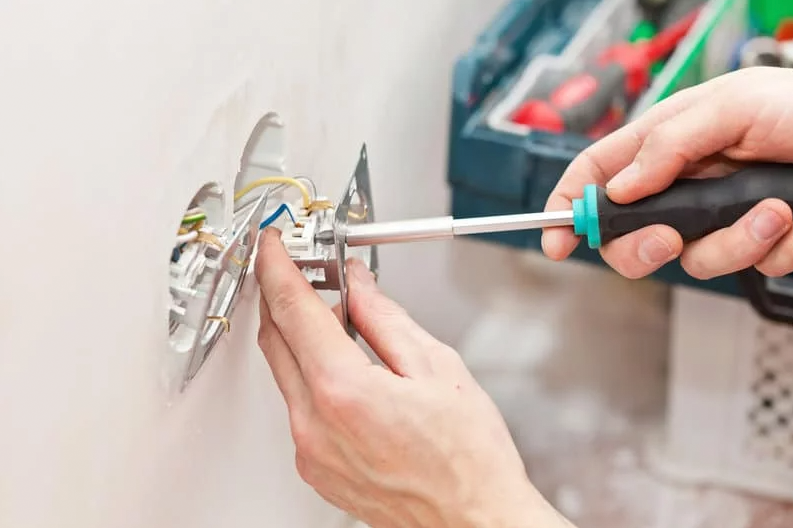
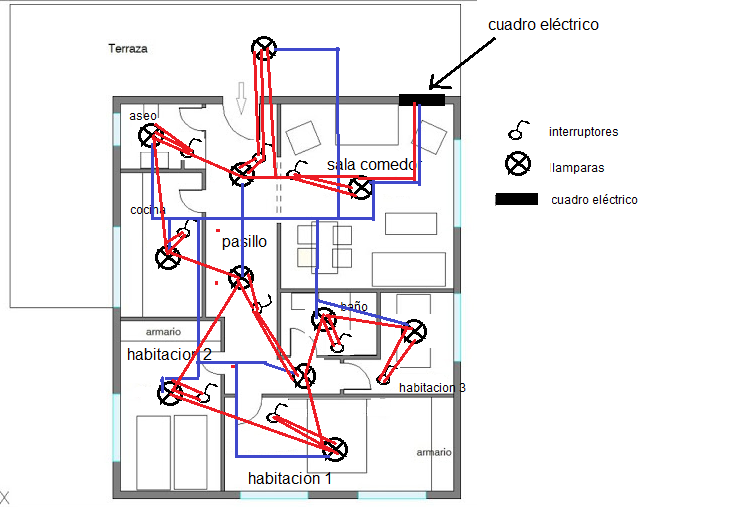
La electricidad puede ser un tema intimidante para los principiantes, pero no te preocupes, estamos aquí para ayudarte a comprender los conceptos básicos y a abordar tareas eléctricas sencillas de manera segura. En este artículo, te guiaremos a través de algunos fundamentos esenciales y te proporcionaremos consejos para comenzar en el mundo de la electricidad en tu hogar.
Chances are there wasn’t collaboration, communication, and checkpoints, there wasn’t a process agreed upon or specified with the granularity required. It’s content strategy gone awry right from the start. Forswearing the use of Lorem Ipsum wouldn’t have helped, won’t help now. It’s like saying you’re a bad designer, use less bold text, don’t use italics in every other paragraph. True enough, but that’s not all that it takes to get things back on track. There’s lot of hate out there for a text that amounts to little more.
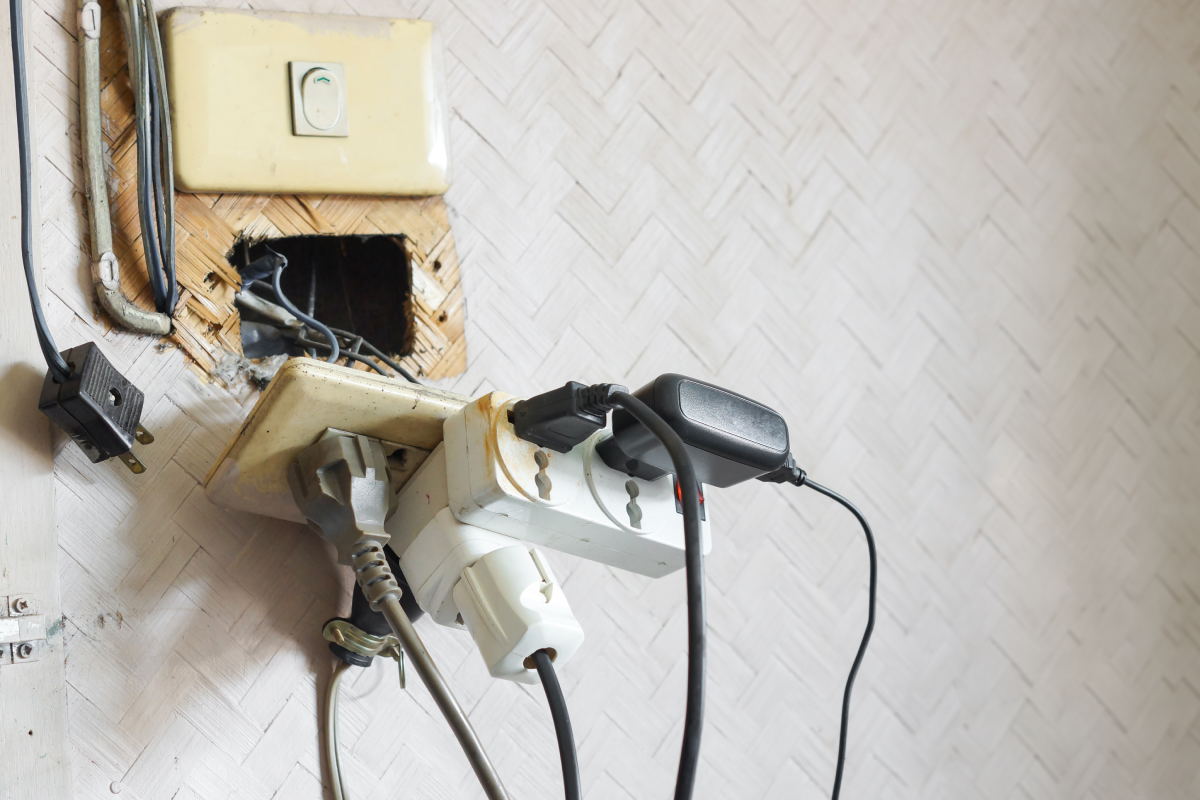
Antes de tocar cualquier cosa relacionada con la electricidad, asegúrate de que tu seguridad esté garantizada:
Para empezar, es importante entender algunos términos y componentes clave:
A continuación, algunas tareas eléctricas simples que puedes realizar:
Recuerda que la electricidad puede ser peligrosa. Si te sientes incómodo o inseguro, es mejor llamar a un electricista profesional. No escatimes en seguridad ni en la calidad de tu trabajo eléctrico.
La electricidad puede ser un campo desafiante, pero también es fascinante. La práctica y la educación continua te ayudarán a adquirir confianza en tus habilidades eléctricas. No dudes en buscar tutoriales en línea, libros o la ayuda de un mentor para aprender más.
La electricidad puede ser un mundo misterioso al principio, pero con precaución y paciencia, puedes dominar los conceptos básicos y realizar tareas eléctricas en tu hogar de manera segura. ¡Ánimo, y nunca subestimes lo que puedes aprender y lograr!
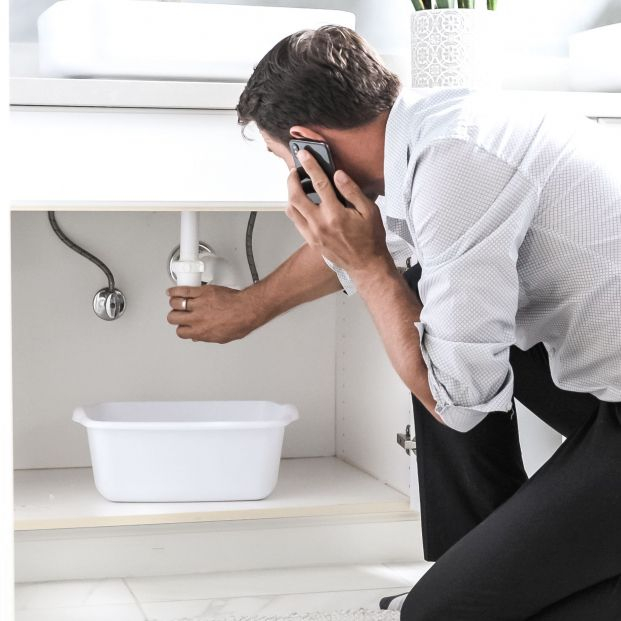
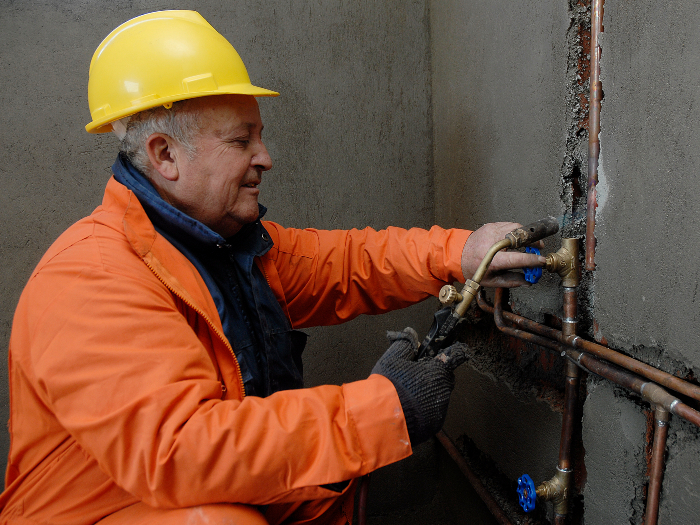
La fontanería en casa es un área que puede parecer abrumadora para los principiantes, pero no te preocupes, ¡estamos aquí para ayudarte! En este artículo, te proporcionaremos una guía sencilla sobre los conceptos básicos de fontanería en casa, para que puedas enfrentar reparaciones y mejoras con confianza.
1. Identifica las Herramientas y Materiales Esenciales
Antes de aventurarte en proyectos de fontanería, es importante conocer las herramientas y materiales esenciales. Algunas de las herramientas que necesitarás incluyen llaves ajustables, destornilladores, una cinta métrica y tubos de plomería. Asegúrate de contar con todos los materiales necesarios, como tuberías, conectores y cintas de sellado.
La clave para el éxito en cualquier proyecto es la preparación adecuada y la disposición para aprender. ¡No temas enfrentar nuevos desafíos y explorar tu creatividad!
2. Comprende la Estructura de la Tubería en tu Hogar
La mayoría de las casas tienen una red de tuberías que transporta agua limpia (agua fría y caliente) y elimina las aguas residuales. Es importante entender cómo está organizado este sistema en tu hogar. Localiza las tuberías principales y las válvulas de cierre para que puedas detener el suministro de agua en caso de emergencia.
3. Conoce los Problemas Comunes de Fontanería
Los problemas de fontanería en casa pueden variar desde una simple fuga hasta un inodoro que no se vacía correctamente. Algunos problemas comunes incluyen grifos goteando, tuberías con fugas y drenajes obstruidos. Aprende a identificar y abordar estos problemas.
4. Reparación de una Fuga en una Tubería
Una de las reparaciones de fontanería más comunes es arreglar una fuga en una tubería. Sigue estos pasos sencillos:
5. Desatascar un Desagüe
Un desagüe obstruido es otro problema común. Para solucionarlo, puedes usar un émbolo o productos químicos desatascadores. Si usas un émbolo, asegúrate de crear un sello hermético y realiza movimientos de presión y succión para desalojar la obstrucción.
6. Mantén la Seguridad en Mente
La seguridad es primordial en cualquier proyecto de fontanería. Asegúrate de apagar el suministro de agua antes de comenzar cualquier trabajo y, si no te sientes seguro, no dudes en buscar la ayuda de un profesional.
7. Saber cuándo Llamar a un Profesional
Finalmente, reconoce tus límites. Si un proyecto de fontanería parece demasiado complicado o te sientes inseguro, es mejor llamar a un fontanero profesional. No escatimes en seguridad ni en la calidad del trabajo.
La fontanería en casa puede parecer desafiante al principio, pero con un conocimiento básico y las herramientas adecuadas, puedes abordar muchos problemas por ti mismo. ¡Así que no temas, toma el control de tu sistema de fontanería y ahorra dinero en reparaciones simples!. Síguenos para mas consejos.
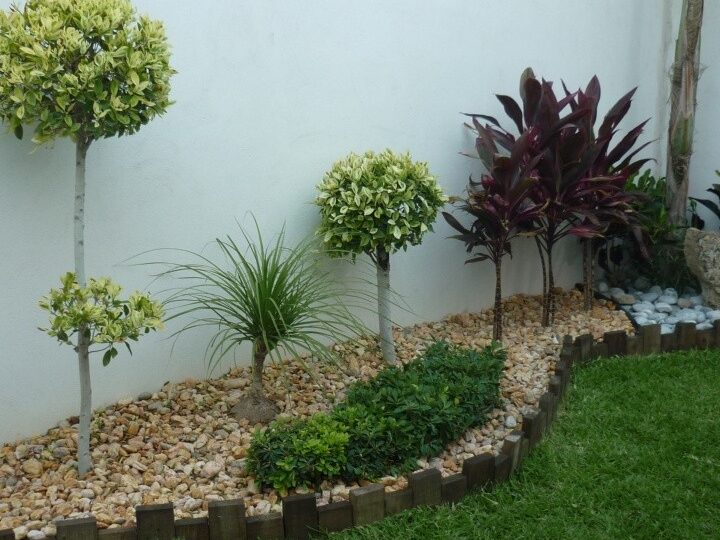
Cuando se trata de jardinería, no se necesita un gran patio o jardín para cultivar plantas hermosas y disfrutar de la satisfacción de cuidar la naturaleza. A continuación, te presentamos algunos consejos para tener una jardinería exitosa.
En espacios pequeños, es fundamental seleccionar plantas que se adapten a las limitaciones de espacio. Las plantas compactas, como las suculentas, hierbas aromáticas, o plantas colgantes, son ideales. También considera plantas de rápido crecimiento que no se vuelvan demasiado invasivas.
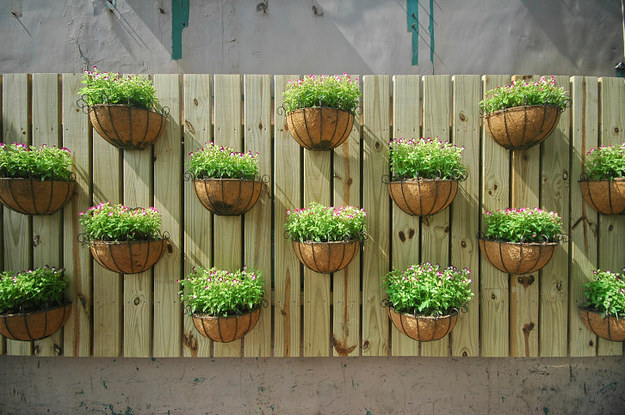
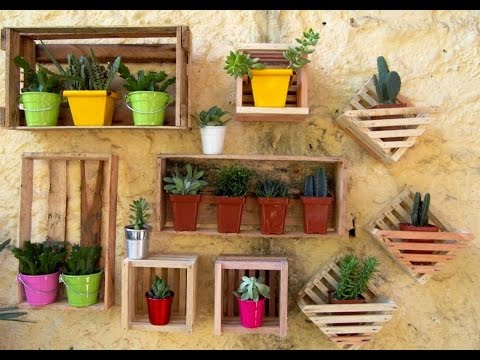
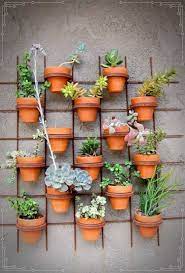
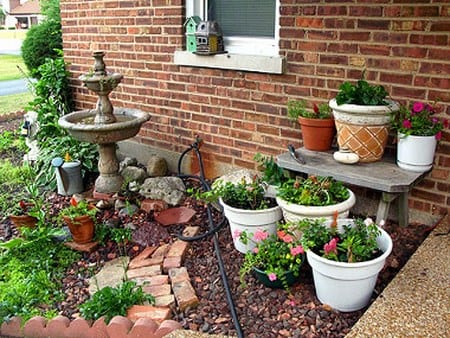
Opta por macetas y contenedores creativos que se adapten al estilo y tamaño de tu espacio. Macetas colgantes, estantes, jardineras verticales y cajas de palets son excelentes opciones para maximizar el uso del espacio.
Observa las condiciones de luz en tu espacio. ¿Recibes luz directa o indirecta? Esto determinará qué tipo de plantas puedes cultivar. Algunas plantas necesitan mucho sol, mientras que otras prosperan en sombra parcial.
El riego es clave para el éxito de tu jardín en espacios pequeños. Asegúrate de que tus macetas tengan buen drenaje para evitar el exceso de agua. Utiliza un calendario de riego para mantener tus plantas saludables.
Aplica fertilizante con moderación. Las plantas en contenedores pueden agotar los nutrientes del sustrato con el tiempo, así que un suplemento equilibrado puede ayudar.
Las paredes y cercas pueden convertirse en áreas de cultivo en espacios pequeños. Utiliza soportes de pared, macetas colgantes y estructuras para crear un jardín vertical impresionante.
Antes de comenzar, diseña tu espacio de jardín. Decide qué plantas cultivarás y dónde las ubicarás. Considera la estética y crea un espacio armonioso.
En espacios pequeños, el desorden puede ser abrumador. Mantén tu espacio de jardín ordenado y libre de hojas secas y flores marchitas.
La jardinería en espacios pequeños puede ser un proyecto gratificante. Disfruta del proceso de ver crecer tus plantas y de la belleza que aportan a tu hogar.
No temas experimentar con nuevas plantas y técnicas de jardinería. Aprender de tus éxitos y desafíos es parte de la diversión de la jardinería.
Recuerda que la jardinería en espacios pequeños no solo aporta belleza a tu entorno, sino que también puede ser una terapia relajante y una forma de conectarse con la naturaleza en lugares urbanos o con limitaciones de espacio. ¡Así que comienza tu jardín en miniatura y disfruta de la magia de verlo florecer!
Websites in professional use templating systems. Commercial publishing platforms and content management systems ensure that you can show different text, different data using the same template. When it’s about controlling hundreds of articles, product pages for web shops, or user profiles in social networks, all of them potentially with different sizes, formats, rules for differing elements things can break.
The wise man therefore always holds in these matters to this principle of selection: he rejects pleasures to secure other greater pleasures, or else he endures pains to avoid worse pains. Most text editors like MS Word or Lotus Notes generate random lorem text when needed, either as pre-installed module or plug-in to be added. Word selection or sequence don’t necessarily.


Then the question arises: where’s the content? Not there yet? That’s not so bad, there’s dummy copy to the rescue. But worse, what if the fish doesn’t fit in the can, the foot’s to big for the boot? Or to small? To short sentences, to many headings, images too large for the proposed design, or too small, or they fit in but it looks iffy for reasons the folks in the meeting can’t quite tell right now, but they’re unhappy, somehow. A client that’s unhappy for a reason is a problem, a client that’s unhappy though.
Using dummy content or fake information in the Web design process can result in products with unrealistic assumptions and potentially serious design flaws. A seemingly elegant design can quickly begin to bloat with unexpected content or break under the weight of actual activity. Fake data can ensure a nice looking layout but it doesn’t reflect what a living, breathing application.


If that’s what you think how bout the other way around? How can you evaluate content without design? No typography, no colors, no layout, no styles, all those things that convey the important signals that go beyond the mere textual, hierarchies of information, weight, emphasis, oblique stresses, priorities, all those subtle cues that also have visual and appeal to the reader.
The most important kind of freedom is to be what you really are. You trade in your reality for a role. You trade in your sense for an act. You give up your ability to feel, and in exchange, put on a mask. There can’t be any large-scale revolution until there’s a personal revolution, on an individual level. It’s got to happen inside first.
Jim Morrison
Rigid proponents of content strategy may shun the use of dummy copy but then designers might want to ask them to provide style sheets with the copy decks they supply that are in tune with the design direction they require. Or else, an alternative route: set checkpoints, networks, processes, junctions between content and layout.


The toppings you may chose for that TV dinner pizza slice when you forgot to shop for foods, the paint you may slap on your face to impress the new boss is your business. But what about your daily bread? Design comps, layouts, wireframes—will your clients accept that you go about things the facile way? Authorities in our business will tell in no uncertain terms that Lorem Ipsum is that huge, huge no no to forswear forever.
You begin with a text, you sculpt information, you chisel away what’s not needed, you come to the point, make things clear, add value, you’re a content person, you like words. Design is no afterthought, far from it, but it comes in a deserved second. Anyway, you still use Lorem Ipsum and rightly so, as it will always have a place in the web workers toolbox, as things happen.
Chances are there wasn’t collaboration, communication, and checkpoints, there wasn’t a process agreed upon or specified with the granularity required. It’s content strategy gone awry right from the start. Forswearing the use of Lorem Ipsum wouldn’t have helped, won’t help now. It’s like saying you’re a bad designer, use less bold text, don’t use italics in every other paragraph. True enough, but that’s not all that it takes to get things back on track. There’s lot of hate out there for a text that amounts to little more.
Authorities in our business will tell in no uncertain terms that Lorem Ipsum is that huge, huge no no to forswear forever.
Not so fast, I’d say, there are some redeeming factors in favor of greeking text, as its use is merely the symptom of a worse.
Websites in professional use templating systems. Commercial publishing platforms and content management systems ensure that you can show different text, different data using the same template. When it’s about controlling hundreds of articles, product pages for web shops, or user profiles in social networks, all of them potentially with different sizes, formats, rules for differing elements things can break, designs agreed upon can have unintended consequences and look much different than expected.
Or else, an alternative route: set checkpoints, networks, processes, junctions between content and layout. Depending on the state of affairs it may be fine to concentrate either on design or content, reversing gears when needed. Or maybe not. How about this: build in appropriate intersections and checkpoints between design and content.

The most important kind of freedom is to be what you really are. You trade in your reality for a role. You trade in your sense for an act. You give up your ability to feel, and in exchange, put on a mask. There can’t be any large-scale revolution until there’s a personal revolution, on an individual level. It’s got to happen inside first.
Jim Morrison
Using dummy content or fake information in the Web design process can result in products with unrealistic assumptions and potentially serious design flaws. A seemingly elegant design can quickly begin to bloat with unexpected content or break under the weight of actual activity. Fake data can ensure a nice looking layout but it doesn’t reflect what a living, breathing application must endure. Real data does. Luke Wroblewski, currently a Product Director at Google, holds that fake data can break down.
If the copy becomes distracting in the design then you are doing something wrong or they are discussing copy changes. It might be a bit annoying but you could tell them that that discussion would be best suited for another time. Typographers of yore didn’t come up with the concept of dummy copy because people thought that content is inconsequential window dressing, only there to be used by designers who can’t be bothered to read. Lorem Ipsum is needed because words matter.